
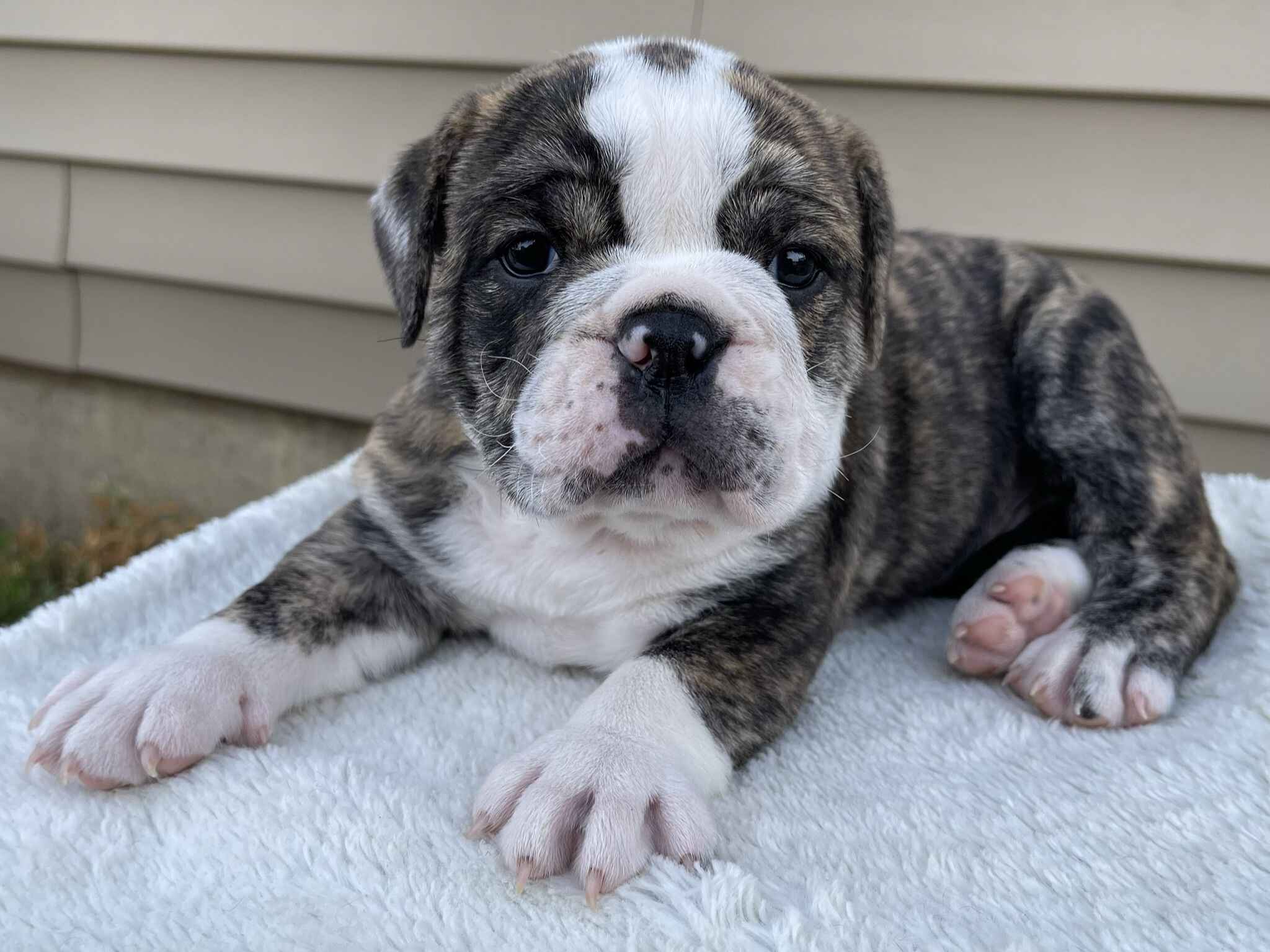
Why victorian english bulldog puppies Are the Perfect Family Pet
If you’ve been researching bulldogs long enough, you’ve probably come across the term “Victorian English Bulldog Puppies” and wondered whether it’s just a fancy marketing name or something genuinely different. The short answer: it’s genuinely different — and for a lot of bulldog lovers, it might actually be the better fit.
Victorian English Bulldog puppies are having a real moment right now, and with good reason. They were bred to bring back what the original working bulldog looked like before decades of show-ring breeding shaped the modern English Bulldog into something with serious structural problems. If you’re thinking about adding one to your family, here’s everything you need to know before you commit.
What Is a Victorian Bulldog? The Breed Explained
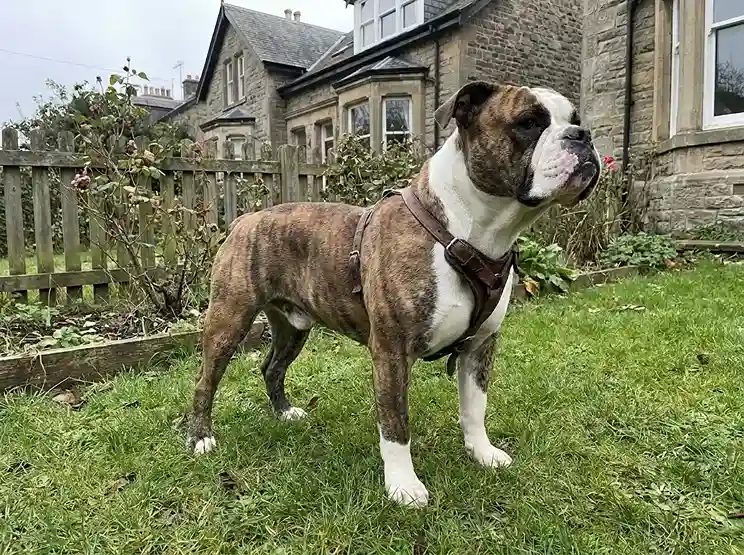
A Victorian Bulldog is a type of reconstructed bulldog developed in England during the 1980s by a breeder named Ken Mollett. The goal was straightforward: create a bulldog that looked closer to 19th-century depictions of the breed — leaner, taller, and with a less extreme facial structure — while keeping the classic personality that makes bulldogs so beloved.
To achieve that, Mollett crossed English Bulldogs with Bull Mastiffs, Bull Terriers, and Staffordshire Bull Terriers over several generations. The result is a dog that reads unmistakably “bulldog” but carries itself with noticeably more athletic confidence than the modern English Bulldog.
How Victorian Bulldogs Differ From English Bulldogs
The differences go beyond appearance. Here’s a quick breakdown:
| Feature | Victorian Bulldog | Modern English Bulldog |
|---|---|---|
| Height | 16–19 inches | 14–15 inches |
| Weight | 55–75 lbs | 40–50 lbs |
| Muzzle length | Moderate | Very short (brachycephalic) |
| Breathing | Generally better | Frequently compromised |
| Exercise tolerance | Moderate–good | Low |
| Lifespan | 10–12 years | 8–10 years |
| Wrinkle coverage | Moderate | Heavy |
The Victorian Bulldog has a slightly longer muzzle, a more open airway, and a narrower build. Most of them can handle a 30-minute walk without distress — something many English Bulldogs genuinely struggle with.
Victorian English Bulldog Puppy Temperament: What to Expect
Victorian Bulldog temperament is one of the breed’s strongest selling points. These dogs are calm, affectionate, and loyal without being clingy or high-strung. They tend to do well with children and other animals, and they don’t have the same fragile, high-maintenance personality that some heavily inbred lines produce.
That said, “calm” doesn’t mean “pushover.” Victorian Bulldogs have a stubborn streak, which is classic bulldog through and through. Training works best when it’s positive, short, and consistent. They respond well to food motivation and will absolutely milk the situation if they sense they can get away with something.
Socialization During the Puppy Stage
The window between 8 and 16 weeks is critical for Victorian Bulldog puppies. Exposing them to different people, sounds, surfaces, and environments during this period lays the foundation for a confident adult dog. Skipping socialization — even with a naturally easygoing breed like this — can lead to anxiety or reactivity later on.
How to Find Victorian English Bulldog Breeders You Can Trust
This is where things get tricky, because the term “Victorian Bulldog” isn’t regulated by a major kennel club like the AKC. That means the quality gap between good breeders and bad ones is wide, and it’s on you to do the vetting.
What a Responsible Victorian Bulldog Breeder Looks Like
A trustworthy breeder will:
- Health test both parents for hip dysplasia, elbow dysplasia, cardiac issues, and eye conditions before breeding
- Allow you to visit the puppies in their home environment, not just a parking lot
- Provide a written health guarantee (minimum 1–2 years for genetic issues)
- Ask you questions — about your lifestyle, living situation, and experience with bulldogs
- Be able to explain the exact breeding lines and what crosses were used in the pedigree
- Not have multiple litters available at the same time year-round
If a “breeder” can’t answer questions about health testing, turns the conversation into a hard sell, or ships puppies under 8 weeks, walk away. The Victorian Bulldog market has more than its share of puppy mills that know the breed is trending.
Victorian Bulldog Health: What You’re Signing Up For
Common Health Issues in Victorian English Bulldog Puppies
Victorian Bulldogs were specifically developed to reduce the health problems associated with the modern English Bulldog, and they largely succeed. But they’re not without their own considerations.
Skin fold dermatitis — Even with a less extreme wrinkle profile, some Victorian Bulldogs develop irritation in their skin folds, particularly around the face and tail area. Regular cleaning and drying is part of ownership.
Hip and elbow dysplasia — The larger, heavier build of Victorian Bulldogs makes joint health worth monitoring. Puppies from health-tested parents are at lower risk, but it’s still worth asking about.
Brachycephalic features — Victorian Bulldogs have shorter muzzles than most breeds. While they breathe far better than modern English Bulldogs, dogs on the more extreme end of the spectrum may still show some brachycephalic obstructive airway symptoms (BOAS).
Heat sensitivity — Any flat-faced dog will struggle more than a longer-muzzled breed in hot weather. This isn’t a dealbreaker, but it means summer outdoor time needs to be managed carefully.
Note: this section covers general health patterns for the breed. Always consult a veterinarian familiar with brachycephalic breeds for guidance specific to your puppy.
How to Care for a Victorian Bulldog Puppy: The First Year
Feeding and Nutrition
Victorian Bulldog puppies grow quickly and need a high-quality large-breed puppy food that supports steady, controlled growth. Rapid weight gain puts unnecessary stress on developing joints. Most pups do well on two to three meals per day until 12 months, then transition to two meals.
Avoid free-feeding. Bulldogs, Victorian included, have a talent for overeating.
Exercise and Activity Levels
Victorian Bulldog puppies need moderate, consistent exercise — not intense activity. Two 15–20 minute walks per day is plenty for most puppies under 6 months. Avoid high-impact activities like jumping off furniture or long runs until their growth plates close, typically around 12–18 months.
The breed’s better exercise tolerance compared to English Bulldogs doesn’t mean unlimited activity. Victorian Bulldogs still overheat faster than most breeds and should never be pushed in warm weather.
Grooming Basics
Weekly brushing, regular ear cleaning, and consistent wrinkle care are non-negotiable. Trapped moisture in skin folds causes yeast and bacterial infections fast. A cotton ball and a vet-recommended cleanser, applied weekly, will prevent most fold-related issues before they start.
Common Mistakes to Avoid With Victorian Bulldog Puppies
Buying on appearance alone. The Victorian Bulldog’s look is compelling, but the best-looking puppy from an untested litter can still carry genetic health problems. Health clearances aren’t optional.
Underestimating the stubbornness. Victorian Bulldogs are trainable, but they won’t do it just to please you. You need a reason they find convincing — usually food. Starting obedience training before 12 weeks gives you a much easier road ahead.
Skipping the vet visit in the first week. A new puppy should be seen by a vet within 48–72 hours of coming home. This isn’t just about catching problems early — it also establishes a baseline and protects you if there’s a dispute with the breeder over health guarantees.
Assuming “Victorian” means fully healthy. The breed has improved breathing and structure compared to modern English Bulldogs, but they’re still brachycephalic. Don’t skip the health research just because they look more athletic.
Letting them overheat. Flat-faced puppies have less ability to regulate their body temperature through panting. In warm climates, this is the single most preventable cause of serious health events.
FAQ: Victorian English Bulldog Puppies
How much does a Victorian English Bulldog puppy cost?
Victorian Bulldog puppies typically range from $2,500 to $5,000 depending on the breeder, bloodlines, and location. Puppies from fully health-tested parents and reputable breeders sit toward the higher end of that range. Be cautious of prices that seem too low — they often reflect poor breeding practices.
Are Victorian Bulldogs recognized by the AKC?
No. The Victorian Bulldog is not recognized by the American Kennel Club or the UK Kennel Club. It is recognized by some independent registries, including the Victorian Bulldog Society. This lack of major kennel club recognition makes evaluating breeders more important, not less.
How big do Victorian English Bulldogs get?
Adult Victorian Bulldogs typically weigh between 55 and 75 pounds and stand 16 to 19 inches at the shoulder. Males tend to be on the larger end. They reach close to full size by 12–14 months, though they may continue to fill out until around 18–24 months.
Do Victorian Bulldogs have fewer health problems than English Bulldogs?
Generally, yes — particularly regarding breathing. The longer muzzle and less compressed skull structure means most Victorian Bulldogs breathe significantly better than modern English Bulldogs. That said, they’re still a brachycephalic breed and still susceptible to heat sensitivity, skin fold issues, and joint problems if not bred carefully. Health testing the parents remains critical.
Final Thoughts
Victorian English Bulldog puppies offer something genuinely compelling: the classic bulldog personality in a body that’s structurally better equipped to live a healthy, active life. If you’ve loved bulldogs but worried about the health problems that have become almost synonymous with the modern English Bulldog, the Victorian version is worth serious consideration.
The breed isn’t perfect — no breed is — and the unregulated nature of “Victorian Bulldog” as a label means breeder quality varies wildly. Do the research, ask the hard questions, and don’t rush the process. A well-bred Victorian Bulldog puppy from a responsible breeder is an investment that tends to pay off in years of good health and better quality of life for the dog.
Pingback: avanafil online safety recommendations
Pingback: onset and duration explained